Introduction: Comparing Semrush and Moz in SEO and Keyword Research
Semrush and Moz are two leading tools in the SEO and keyword research landscape, each offering unique features tailored to content marketers, SEO professionals, and businesses aiming to enhance their online visibility.
-
Main Purposes:
- Semrush focuses on comprehensive digital marketing, providing tools for SEO, PPC, content marketing, and social media tracking.
- Moz, on the other hand, emphasizes SEO, offering tools specifically designed for improving search engine rankings and understanding domain authority.
-
User Considerations: Professionals choose Semrush for its extensive keyword analysis, competitive research, and site audit capabilities. Moz is favored for its user-friendly interface, excellent educational resources, and domain analysis.
-
Comparison Aspects: Key factors to evaluate when choosing between Semrush and Moz include:
- Features: Tools available for keyword tracking, backlink analysis, and site audits.
- Pricing: Subscription costs and value for money based on features offered.
- Ease of Use: User interface design, learning curve, and overall accessibility.
This comparison aims to provide insights to help users make informed decisions based on their specific SEO and keyword research needs.
Semrush VS Moz: Which tool is the most popular?
| Tool | Number of Reviews | Average Rating | Positive Reviews | Neutral Reviews | Negative Reviews |
|---|---|---|---|---|---|
| Semrush | 256 | 3.85 | 191 | 6 | 59 |
| Moz | 210 | 3.58 | 134 | 6 | 70 |
Semrush is the most popular tool based on the number of reviews, with 256 reviews and an average rating of 3.85. It has a higher positive review count of 191 compared to Moz.
Moz is the least popular tool, with 210 reviews and an average rating of 3.58. While it has a similar number of neutral reviews, it has more negative reviews (70) than Semrush.
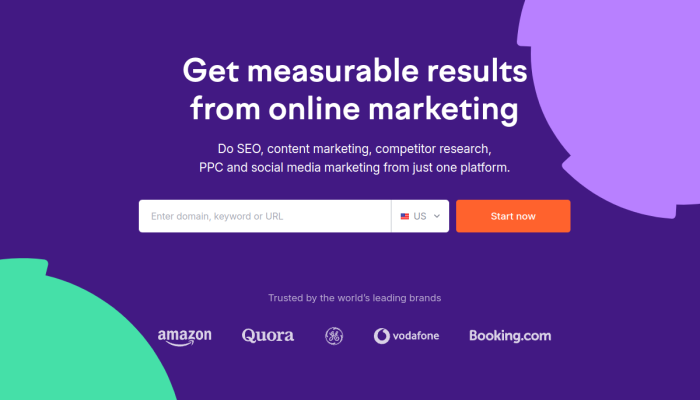

Semrush and Moz: Quick Comparison Overview
| Feature | Ahrefs | SEMrush |
|---|---|---|
| Primary Features | – Site Explorer – Keyword Explorer – Rank Tracker – Backlink Analysis – Content Explorer |
– Domain Overview – Keyword Magic Tool – Position Tracking – SEO Writing Assistant – Social Media Tools |
| Target Audience | – SEO professionals – Content marketers – Digital agencies |
– Marketers – SEO specialists – Business owners – PPC managers |
| Main Advantages | – Extensive backlink database – User-friendly interface – Powerful content research tools – Strong focus on organic search |
– Comprehensive SEO and PPC functionality – Detailed competitor analysis – Versatile reporting and project management features – Multiple marketing domain support |
| Core Value Proposition | Provides in-depth SEO tools primarily focused on backlink analysis and content optimization, ideal for boosting organic search performance. | Offers an all-in-one digital marketing suite that integrates SEO and PPC tools, empowering users to manage their entire online marketing strategy effectively. |
| Ideal Use Cases | – Conducting backlink audits – Finding content gaps – Analyzing competitors’ backlink profiles |
– Managing PPC campaigns – Performing multi-channel digital marketing analysis – Tracking keyword rankings for SEO and PPC efforts |
Most liked vs most disliked features of Semrush and Moz
| Feature | Semrush | Moz |
|---|---|---|
| Most Liked Features | – Wide range of tools for keyword research, competitor analysis, and site audits. – Easy navigation with an intuitive interface. – Excellent customer service with positive interactions. – Comprehensive features and accurate data justify the cost. – Notable improvements in SEO performance reported by users. |
– Quick and helpful customer support, with proactive assistance. – Intuitive tools suitable for all experience levels. – Well-structured educational resources that enhance SEO knowledge. – Actionable insights for strategic decision-making in SEO. – Proactive refund process builds customer trust. |
| Most Disliked Features | – Pricing considered high, especially for small businesses. – Abundance of features can be overwhelming. – Occasional technical issues and navigation difficulties. – Perceived limitations in certain features. – Complaints regarding subscription management and unexpected charges. |
– Considered expensive compared to similar tools, deterring smaller businesses. – Some features may overwhelm beginners. – Concerns about the accuracy of the Domain Authority score. – Some educational materials appear outdated. – Limitations in the free trial hinder comprehensive evaluation. |
Key Features of Semrush vs Moz
Certainly! Both Semrush and Moz are prominent tools in the SEO and keyword research space, offering a variety of features that help users optimize their websites for search engines. Below, I’ll break down the key features of each platform, how they benefit users, and note any unique aspects of each.
Semrush
-
Keyword Research Tool:
- Benefits: Semrush offers a robust keyword tool that allows users to uncover keyword volume, difficulty, trends, and related keywords. This helps users identify the best keywords to target for their SEO campaigns.
- Unique Aspect: Semrush provides a "Keyword Magic Tool" that offers a vast database of keywords, helping users to generate long-tail keyword ideas and discover keyword variations efficiently.
-
Site Audit:
- Benefits: The Site Audit feature crawls your website and identifies SEO issues that may hinder performance, such as broken links, duplicate content, and missing meta tags. Users can fix these issues to improve their site’s health.
- Unique Aspect: Semrush offers a comprehensive health score and provides actionable recommendations, making it easy for users to prioritize fixes.
-
Competitive Analysis:
- Benefits: Users can analyze competitor websites to understand their strengths and weaknesses, such as their best keywords, backlink profiles, and traffic analysis. This information helps in forming strategies to overtake competitors.
- Unique Aspect: Semrush provides a "Traffic Analytics" tool that offers insights into the traffic sources and user engagement of competitors’ websites.
-
PPC Keyword Tool:
- Benefits: This tool helps in finding keywords for paid advertising campaigns, offering insights into CPC (cost-per-click) and ad competition. Users can integrate SEO and PPC strategies more effectively.
- Unique Aspect: Semrush features a "Keyword Analyzer" which can evaluate the profitability of potential keywords in both organic and paid search.
-
Content Marketing Tools:
- Benefits: Semrush includes content inspiration tools and SEO writing assistant features which help users to optimize their content for search engines while ensuring it remains engaging for readers.
- Unique Aspect: The “SEO Content Template” tool generates recommendations based on top-ranking URLs in the specified niche, aiding in strategic content creation.
Moz
-
Keyword Explorer:
- Benefits: Moz’s Keyword Explorer provides keyword suggestions, search volume data, and keyword difficulty scores. It enables users to prioritize keywords based on potential success.
- Unique Aspect: Moz offers the “Priority Score,” which combines search volume, opportunity, and potential to help users identify the most valuable keywords more easily.
-
Site Crawl:
- Benefits: Similar to Semrush, Moz features a site audit tool that scans your website for SEO issues. Users receive detailed reports on how to enhance the site’s SEO performance.
- Unique Aspect: Moz’s crawl data provides insights into page optimization scores, making it easy to prioritize SEO changes.
-
Link Explorer:
- Benefits: This feature allows users to analyze their own and competitors’ backlink profiles. Users can discover new backlink opportunities and assess link quality.
- Unique Aspect: Moz’s “Spam Score” helps users identify potentially harmful links that could affect their rankings, providing a unique quality metric not abundantly found in other tools.
-
On-Page Grader:
- Benefits: The On-Page Grader evaluates the SEO effectiveness of specific pages by suggesting optimizations based on current search trends.
- Unique Aspect: Users can get tailored recommendations specific to their page, making it a precise optimization tool.
-
Moz Local:
- Benefits: Moz offers tools for managing local SEO, which is invaluable for businesses targeting specific geographical areas. It can help optimize local listings and improve visibility in local search results.
- Unique Aspect: Moz Local focuses extensively on citation management and consistency, which is crucial for local SEO success.
Overall Comparison
Semrush tends to offer more in-depth competitive analysis and PPC insights, making it a preferred choice for businesses focusing heavily on both SEO and marketing strategies. In contrast, Moz is highly regarded for its user-friendly interface and community-driven resources, particularly for users who are new to SEO.
Both tools have unique strengths that cater to different user needs; Semrush is often favored for its extensive keyword and competitive data, while Moz is appreciated for its simplicity and local SEO tools. Depending on individual goals, businesses may choose one over the other or even use both in tandem to maximize their SEO efforts.
Semrush vs Moz Pricing Comparison
| Feature | Semrush Pricing | Moz Pricing |
|---|---|---|
| Free Trial | 7-day free trial | 30-day free trial |
| Payment Options | Monthly & Annual | Monthly & Annual |
| Basic Tier | $119.95/month $107.95/month (annual) |
$99/month $79/month (annual) |
| Basic Features | 10,000 results per report, 5 projects, 3 users, keyword tracking |
10,000 keyword queries/month, 1 user, site audits & tracking |
| Pro Tier | $229.95/month $206.95/month (annual) |
$149/month $119/month (annual) |
| Pro Features | 30,000 results per report, 15 projects, 5 users, advanced analytics |
50,000 keyword queries/month, 3 users, site audits & tracking |
| Guru Tier | $449.95/month $404.95/month (annual) |
$249/month $199/month (annual) |
| Guru Features | 50,000 results per report, 30 projects, 15 users, Content Marketing tools |
200,000 keyword queries/month, 5 users, advanced optimization tools |
| Business Tier | $999.95/month $899.95/month (annual) |
Custom pricing |
| Business Features | 100,000 results per report, 50 projects, 25 users, API access |
Advanced features tailored for larger businesses |
| Main Differences | Semrush offers more projects and a wider array of SEO tools at each tier, focusing heavily on competitive analysis and marketing insights. | Moz provides straightforward pricing and user-friendly interfaces, with a strong focus on keyword tracking and site audits. More robust in local SEO terms. |
| Additional Notes | Discounts are available for annual payments. Special rates include an option for educational institutions and nonprofits. | Discounts for annual payments and educational institutions available. Regular pricing is often subject to promotions. |
Support Options Comparison: Semrush vs Moz
| Support Option | Semrush | Moz |
|---|---|---|
| Live Chat | Available on the website for quick queries. | Not available. |
| Phone Support | No direct phone support offered. | No direct phone support offered. |
| Documentation | Extensive knowledge base with articles on features, tutorials, and troubleshooting. | Comprehensive help center with guides, tutorials, and FAQs. |
| Additional Resources | Regular webinars, training sessions, and an active blog offering insights and strategies. | Webinars, video tutorials, and a community forum for user interactions and discussions. |
Unique Features of Semrush Vs Moz
| Feature | Semrush Unique Features | Value Addition | Moz Unique Features | Value Addition |
|---|---|---|---|---|
| PPC Keyword Tool | Offers an extensive database of PPC keyword suggestions and analysis. | Empowers users to optimize paid search strategies, making it easier to identify profitable keywords for PPC. | – | – |
| Social Media Tracker | Provides comprehensive social media management tools, including performance metrics. | Enables users to track social media performance alongside SEO, offering a holistic view of online marketing. | – | – |
| Content Analyzer | Delivers deep insights into content performance and user engagement. | Helps businesses refine their content strategy by offering analytics on how content is received and ranked. | Page Insights | Offers a breakdown of how well pages are performing in terms of SEO and usability. |
| Domain vs. Domain Tool | Allows for direct comparison of up to five domains. | Facilitates competitive analysis, helping users understand how they stack up against rivals in the market. | Keyword Explorer | Offers detailed metrics such as difficulty score, topical relevancy, and potential CTR for keywords. |
| SEO Writing Assistant | Provides real-time recommendations for optimizing content while writing. | Enhances content creation by offering SEO tips directly in the editing process, ensuring better optimization. | MozBar | A browser extension that allows users to see SEO metrics for any webpage and assess page authority quickly. |
| Trends Dashboard | Visualizes market trends and historical data in a unique dashboard. | Aids in strategic decision-making by visually presenting data that can influence long-term business directions. | Link Explorer | A robust tool for analyzing backlinks and discovering link-building opportunities. |
Semrush and Moz each offer distinct features that provide substantial value beyond conventional SEO tools. Semrush’s unique abilities in PPC management and social media tracking can be game-changers for marketers seeking integrated solutions across diverse channels. Meanwhile, Moz’s focus on page insights and its easy-to-use browser extension enhances practical usability and offers on-the-spot analysis, making them essential for SEO specialists. These advantages serve as critical factors in choosing between the two platforms, depending on specific business needs and marketing goals.